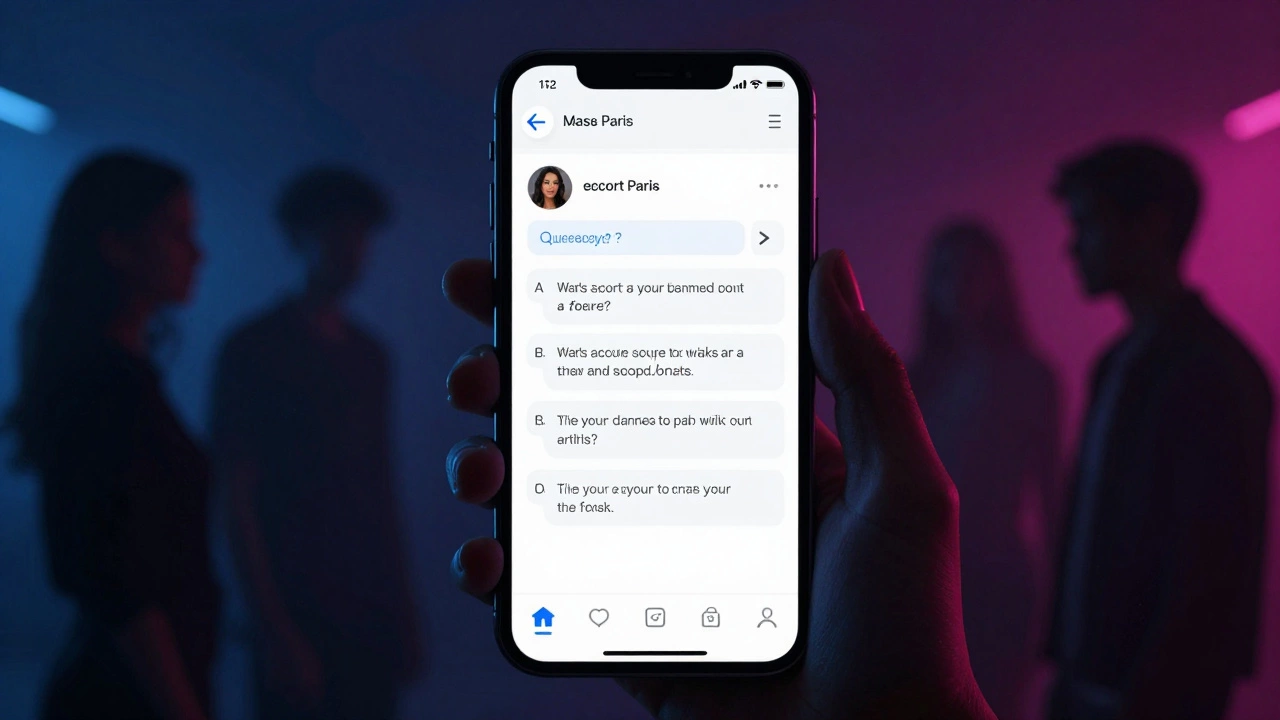
March 3rd isn’t just another date on the calendar. For some, it’s a day meant to spark conversation - sometimes awkward, sometimes uncomfortable, but always real. The so-called ‘Whores Day Quiz’ has been making rounds on social media, popping up in group chats and meme pages with questions that feel more like a trap than a game. People click on it thinking it’s harmless fun. Then they’re hit with loaded terms, outdated stereotypes, and questions that blur the line between satire and disrespect. And somewhere in the middle of all this noise, you might see a link buried in the comments: escort paris. It’s not random. It’s designed to ride the wave of curiosity, even if the curiosity is built on something harmful.
Let’s be clear: there’s nothing funny about reducing people to punchlines or turning exploitation into a quiz format. The term ‘whore’ has been used for centuries to shame, silence, and control - especially women, sex workers, and anyone who dares to exist outside traditional norms. Turning that into a quiz doesn’t make it edgy. It makes it lazy. And worse, it distracts from the real issues: safety, consent, dignity, and the right to exist without judgment.
Why This Quiz Keeps Coming Back
These quizzes aren’t new. They’ve been around since the early 2010s, disguised as ‘funny trivia’ or ‘viral challenges.’ But they don’t ask about history, culture, or even pop culture. They ask things like, ‘Which celebrity has had the most escorts?’ or ‘What’s the cheapest city for an esort girl paris?’ The answers aren’t educational - they’re performative. They’re meant to shock, not inform. And they thrive because they tap into a dark corner of internet culture that still treats human beings as commodities to be ranked and joked about.
The real question isn’t whether you know the ‘right’ answer. It’s why you’re even clicking. Why does this content get shared so easily? Why do people feel compelled to tag friends and say, ‘You’d never guess #3!’? The answer isn’t curiosity. It’s boredom. It’s the need to feel like you’re in on something secret, something rebellious. But what’s really being rebelled against? Respect.
The Real People Behind the Terms
Behind every search for ‘escort parís’ or ‘esort girl paris’ are real people. People who work in the sex industry for any number of reasons: financial need, lack of alternatives, personal choice, survival. Some are independent. Some are exploited. Some are trapped. But none of them signed up to be part of a meme. The language used in these quizzes - misspelled, crude, reductionist - doesn’t just offend. It erases. It turns complex lives into punchlines. And when you click ‘next’ after answering a question about ‘the best escort in Paris,’ you’re not just moving on to the next quiz. You’re reinforcing a system that sees people as options, not individuals.
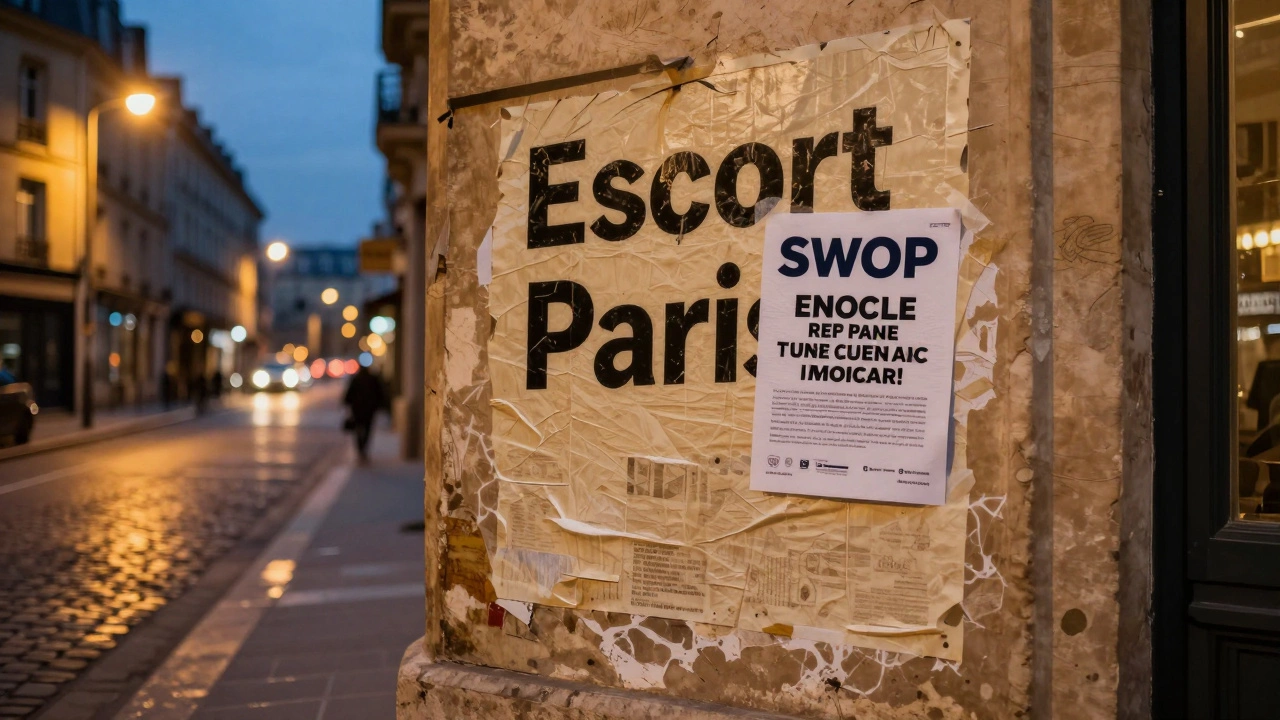
There’s a difference between talking about sex work and making fun of it. One can lead to understanding. The other leads to harm. If you’re curious about the realities of sex work in Paris, there are documentaries, interviews, and advocacy groups that offer real insight - not quizzes with hidden ads. Organizations like SWOP France and L’Association des Travailleuses du Sexe de Paris have spent years fighting stigma and pushing for decriminalization. They don’t need your clicks. They need your awareness.
What the Quiz Gets Wrong
These quizzes often pretend to be neutral. But neutrality here is complicity. They list cities like Paris, Berlin, or Bangkok as if they’re just destinations on a travel list - ignoring the legal, cultural, and human costs. They don’t mention that in France, while selling sex isn’t illegal, buying it is. They don’t explain that many workers face violence, deportation, or loss of housing. They don’t tell you that the term ‘escort’ is often used to disguise trafficking. And they certainly don’t tell you that the people behind those ads are often scared, tired, and invisible.
When a quiz asks, ‘Which city has the most escort parís?’ it’s not asking for data. It’s asking you to confirm a fantasy. And that fantasy is built on the backs of people who have no voice in the game.
What You Can Do Instead
Instead of sharing the quiz, try this: pause. Ask yourself why you’re drawn to it. Is it because you’re bored? Curious? Trying to fit in? Then do something better. Read a story. Watch a film. Follow an advocate. Learn about the laws in France around sex work. Understand the difference between consent and coercion. Support organizations that help sex workers access healthcare, legal aid, and housing.
If you want to talk about Paris, talk about its history, its culture, its art. Talk about the Eiffel Tower, the Louvre, the cafés where writers once gathered. Not about the people who live there being turned into search terms.
Final Thought: It’s Not About the Answers
The quiz doesn’t care if you get the answers right. It doesn’t want you to learn. It wants you to click, share, and keep scrolling. It wants you to keep feeding the machine that profits from your discomfort. The real answer to every question in that quiz isn’t a name, a city, or a number. It’s this: people are not content. They are not trivia. They are not your entertainment.
Next time you see a post like this, don’t play along. Don’t tag a friend. Don’t laugh. Just close it. And if you feel like saying something, say this: ‘This isn’t funny. It’s harmful.’